Camping Hammocks can solve a surprisingly common camping pain point: waking up stiff, cold, or frustrated after a “full night” that didn’t actually restore you. This guide breaks down how to choose the right hammock style, avoid beginner mistakes (like calf ridge and “cold butt syndrome”), set up safely, and dial in warmth and bug protection—without packing your entire bedroom. You’ll also find quick comparison tables, a practical setup checklist, and a buyer-friendly section for retailers and outdoor brands working with suppliers such as Ningbo Yingmin Imp.& Exp.Co., Ltd.
Most people don’t switch to Camping Hammocks because they want to be “different.” They switch because something keeps sabotaging their sleep:
A well-chosen hammock system addresses these pain points by moving your sleep “platform” off the ground and letting your body settle into a more forgiving position. The catch is simple: hammocks are easy to love and also easy to set up badly. The goal of this article is to help you skip the bad part.
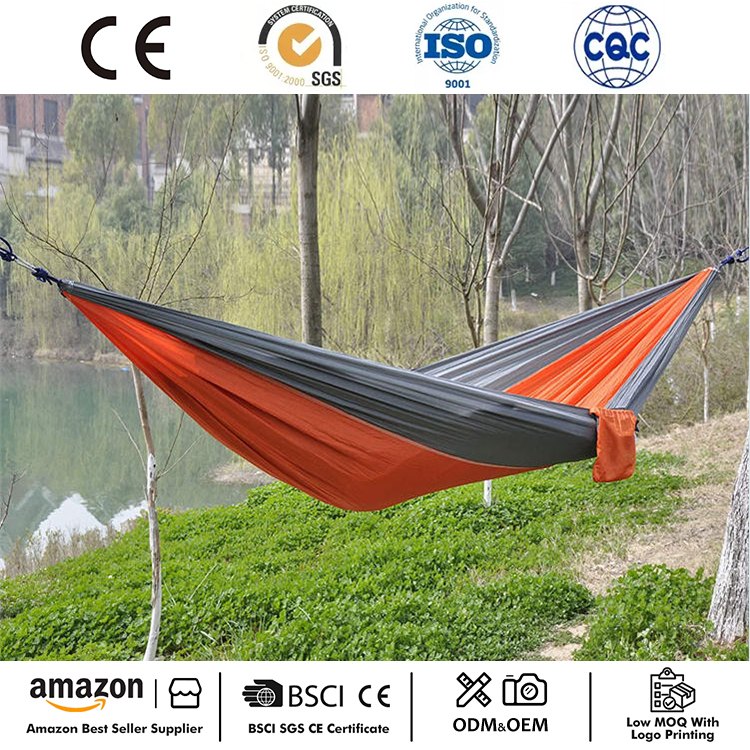
Not all Camping Hammocks are built for the same job. Here’s a quick comparison to help you pick a direction before you pick a model.
| Hammock Style | Best For | Why People Like It | Watch Outs |
|---|---|---|---|
| Gathered-end (single/double) | Backpacking, casual camping, flexible comfort | Lightweight, packs small, easy to find accessories | Needs correct hang angle; beginners may get calf ridge |
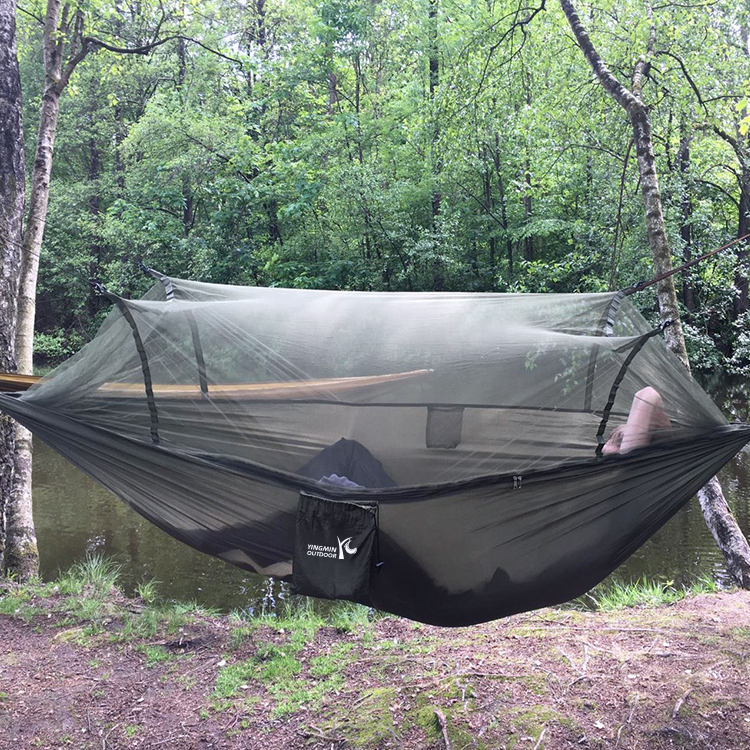
| Hammock with mosquito net | Buggy seasons, humid regions, lakeside camps | Instant bug protection without extra tent weight | Net needs airflow; zippers and stitching quality matter |
| Spreader bar | Backyard lounging, stable “flat” feel | Feels open and spacious for relaxing | Often heavier; can be tippier; less ideal in strong wind |
| Chair-style hammock | Daytime campsite comfort, reading, cooking breaks | Great posture for sitting; easy “camp chair” replacement | Not a sleep solution by itself |
If your main goal is sleep comfort and you camp in mixed conditions, a gathered-end hammock (optionally with an integrated net) is usually the most forgiving starting point.
Here’s a buyer-friendly checklist that focuses on what actually affects comfort, safety, and long-term usability.
| Decision Point | What to Look For | Why It Matters |
|---|---|---|
| Length | Longer bodies tend to allow a flatter diagonal lay | More room to shift reduces pressure points and calf ridge |
| Fabric feel | Soft but supportive, breathable, and not overly stretchy | Too much stretch can create “banana bend” discomfort |
| Weight rating | Clear, conservative limits and sturdy stitching | Confidence matters—nobody relaxes while worrying about seams |
| Suspension | Tree-friendly straps, strong buckles or secure knots | Fast setup, safer hangs, and less damage to bark |
| Bug options | Integrated net or compatible add-on net | Bug protection turns “survive the night” into “enjoy the night” |
| Weather integration | Compatible tarp points and ridgeline space | Rain and wind are manageable when your system works together |
One more reality check: Camping Hammocks are a “system,” not a single item. If you only buy the hammock body and ignore insulation or weather coverage, you might still be uncomfortable—just in a different way than you were on the ground.
A safe, comfortable hang is mostly about repeatable habits. Use this step-by-step approach until it becomes automatic.
Step 1: Pick healthy anchor points.
Step 2: Aim for a gentle sag.
Step 3: Set seat height like a chair.
Step 4: Lie diagonally, not straight.
Step 5: Fix the two most common comfort issues.
| Problem | Likely Cause | Simple Fix |
|---|---|---|
| Calf ridge (pressure behind knees) | Hang too tight, wrong diagonal angle | Add more sag; shift diagonal; slightly raise foot end |
| Shoulder squeeze | Hammock too narrow or lay too straight | Try a deeper diagonal; loosen the hang; consider a roomier model |
Once you nail setup, Camping Hammocks stop feeling like “gear” and start feeling like an upgrade.
Here’s the truth that surprises beginners: the cold usually attacks from underneath. Your body weight compresses insulation, so the underside loses warmth fast. If you’ve ever felt warm on your chest but cold on your back in a hammock, you’ve met the classic “cold butt syndrome.”
A practical warmth strategy for most campers:
When people say Camping Hammocks “sleep cold,” they usually mean “I brought the wrong insulation for the way hammocks work.” Fix that, and a hammock can be cozy in more seasons than you’d expect.
Good news: rain and bugs are not dealbreakers. They’re just planning problems.
For rain:
For wind:
For bugs:
The best part is that once you’ve built a reliable “sleep system,” Camping Hammocks can be as predictable as a tent—just often more comfortable.
A hammock is simple gear, but small habits make a big difference in lifespan and safety.
If you treat Camping Hammocks like safety equipment (because they are), you’ll get years of reliable use and far fewer “mystery failures.”
If you’re sourcing Camping Hammocks for resale, branding, or project-based procurement, your end users care about comfort—but your business should also care about consistency. A few supplier-side checks can prevent returns, complaints, and reputation damage.
Suppliers like Ningbo Yingmin Imp.& Exp.Co., Ltd. often serve buyers who need dependable manufacturing and flexible product ranges (from hammock bodies to straps and related outdoor gear). For retailers, that range matters: it helps you build a coherent “sleep solution” shelf instead of selling a single item that customers later realize needs extra pieces.
The simplest way to win long-term customers is to help them succeed on their first night. When your product selection supports comfort, warmth, and easy setup, you don’t just sell hammocks—you sell confidence.
Q: Are Camping Hammocks comfortable for side sleepers?
A: Many side sleepers do well when they lie diagonally and keep a relaxed sag. Comfort varies by body type and hammock shape, but the diagonal lay is the key technique to try first.
Q: Do I need a bug net every time?
A: Not always, but if you camp in warm months, near water, or in wooded areas, a bug net can be the difference between sleeping and swatting. An integrated net is the simplest “set it and forget it” option.
Q: What’s the biggest beginner mistake with Camping Hammocks?
A: Hanging the hammock too tight. A gentle sag usually improves comfort, reduces pressure points, and makes it easier to lie diagonally.
Q: Can I use a sleeping pad instead of an underquilt?
A: Yes. Pads can work well, especially for mild temperatures or for campers who already own one. The trick is keeping the pad positioned so it doesn’t slide during the night.
Q: Are Camping Hammocks safe for overnight sleep?
A: They can be, when used responsibly: solid anchors, tree-friendly straps, conservative load limits, and regular inspection. If anything looks worn or questionable, replace it before the next trip.
Q: What if my campsite has no trees?
A: Consider campsites with designated hanging areas, bring a compatible stand when appropriate, or use a hybrid plan (hammock where possible, ground setup as backup). Planning your anchors is part of hammock camping.
When you choose the right system and learn a repeatable setup, Camping Hammocks can turn outdoor sleep from “good enough” into genuinely restful. Comfort comes from the details: a relaxed hang, a diagonal lay, under-body insulation, and weather coverage that matches the conditions. If you’re sourcing hammocks for your brand, store, or project needs, work with a supplier that can support consistent quality and practical configurations.
If you’re ready to build a more comfortable hammock lineup—or you want help selecting the right products for your market—please contact us to discuss your requirements and get a tailored recommendation.