Industry News

Why Do Inflatable Furnitures Make Sense for Modern, Flexible Spaces?

2026-01-29 - Leave me a message

Abstract

Inflatable Furnitures have evolved from “pool toys” into surprisingly practical seating and lounging solutions for homes, rentals, events, and outdoor living. But buyers still worry about comfort, durability, stability, odor, and whether these products can hold up under real daily use. This guide breaks down what matters most when choosing Inflatable Furnitures: materials, structure, valves, weight limits, maintenance, and safety. You’ll also learn how to match the right inflatable chair/sofa/ottoman to your space, how to avoid common purchase mistakes, and how to keep your inflatable pieces looking great season after season. Along the way, we’ll share best practices used by experienced suppliers like Ningbo Yingmin Imp.& Exp. Co.,Ltd. so you can buy with confidence and use your setup without constant re-inflation or worry.


Table of Contents


Outline

  1. Identify the biggest buyer concerns (comfort, stability, durability, smell, leakage).
  2. Explain the features that prevent common disappointments.
  3. Break down materials (PVC, flocked surfaces, reinforced seams) and what they mean in real life.
  4. Share comfort tips: shape, internal structure, and how to use accessories.
  5. Provide practical use-case recommendations for homes, rentals, events, and outdoors.
  6. Offer clear care instructions to extend lifespan.
  7. Summarize choices with a comparison table.
  8. Answer common questions in an FAQ and finish with a simple next step.

What Problems Do Inflatable Furnitures Actually Solve?

The appeal of Inflatable Furnitures is simple: you get functional seating or lounging space without committing to bulky, heavy furniture. That said, people don’t buy an inflatable sofa because it’s “fun”—they buy it because they need a practical solution for a real constraint.

  • Limited space: Small apartments, dorms, and multipurpose rooms often can’t spare a permanent footprint. Inflatable Furnitures can be packed away when not needed.
  • Temporary living: Moving, renovating, renting short-term, or setting up a guest room for a few weeks? Inflatable seating can bridge the gap without overspending.
  • Flexible hosting: Parties and family gatherings create a “where do people sit?” problem fast. Inflatable chairs and ottomans scale up quickly and store easily afterward.
  • Outdoor comfort: Patios, balconies, and camping setups often benefit from lightweight seating. The key is choosing the right material and caring for it correctly.
  • Budget control: You can create a usable lounge area while saving for long-term furnishings—or while testing a layout before committing.

The real question is whether your inflatable choice will feel stable and comfortable in daily use. The good news: most “inflatable disappointments” come from buying the wrong design, not from the concept itself.


What to Look for Before You Buy

Inflatable Furnitures

If you’ve ever tried an inflatable chair that slowly sagged into a sad puddle by midnight, you already know the pain. To avoid that experience, focus on features that protect against the most common complaints.

  • Realistic weight capacity: Look for clear capacity guidance, and consider how the seat will be used (lounging, sitting upright, kids jumping). A higher rating usually signals better structural design, not just thicker material.
  • Valve quality: A reliable valve reduces micro-leaks and makes inflation/deflation faster. Poor valves are the #1 reason people feel like they’re “always refilling air.”
  • Shape that supports posture: A flat mattress-style seat isn’t the same as a chair with a back angle and supportive sidewalls. Pick shapes that match your intended use.
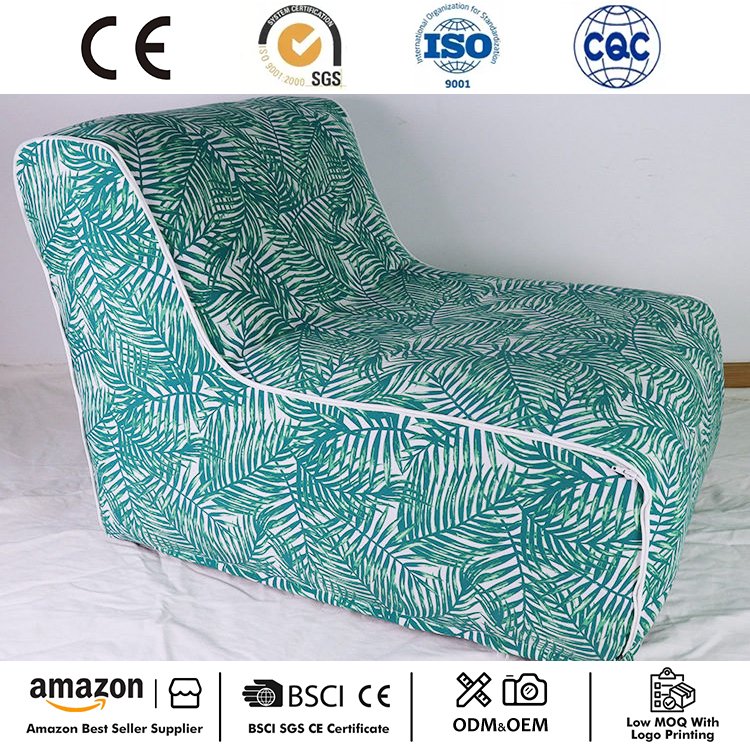
  • Surface finish: Flocked tops feel softer and reduce the “sticky” sensation some plastics can have. They also help prevent slipping when you move.
  • Stable base: Wider bases and anti-roll contours matter more than people think—especially for sofas and loungers.

Experienced manufacturers and exporters, including Ningbo Yingmin Imp.& Exp. Co.,Ltd., typically pay close attention to valve fit, seam consistency, and user-friendly shapes because they’re the first things customers notice (and the first things that trigger returns if they’re done poorly).


Materials and Construction That Matter

Not all Inflatable Furnitures are created equal, and most differences come down to materials and construction. You don’t need to be an engineer—just keep your eye on a few practical indicators.

  • PVC thickness and flexibility: Thicker isn’t always better if the material becomes stiff and uncomfortable. A balanced material that flexes without feeling flimsy is usually the sweet spot.
  • Reinforced seams: Seams are stress points. Better seam work means fewer slow leaks and better shape retention. When a seat keeps its intended form, it feels more stable under weight.
  • Internal structure: Some designs include internal supports that distribute pressure, helping the piece feel less “bouncy.” This matters a lot for sofas and high-back chairs.
  • Flocked surfaces: A flocked top improves comfort and reduces slipping, especially in warmer climates. It can also make a product feel more “home-friendly” and less like outdoor gear.

If you plan to use Inflatable Furnitures outdoors, prioritize durability and care instructions: direct sun and rough surfaces can age any inflatable faster. The right choice isn’t “indestructible,” it’s “appropriate for how you’ll use it.”


Comfort Without the “Bouncy Regret”

Comfort is where people become skeptical. And honestly? That skepticism is earned—because comfort depends heavily on choosing the right design and using it correctly.

  • Don’t over-inflate: Over-inflation makes the surface hard and unstable. A slightly firm, supportive feel is better than “drum tight.”
  • Use a soft layer: For lounge-style Inflatable Furnitures, adding a light throw, fitted cover, or thin topper can reduce pressure points. This is especially helpful for longer sitting sessions.
  • Pick the right back angle: If you want to read, work on a laptop, or sit upright, choose a chair with a supportive back and side bolsters. If you want to relax, pick a lounger designed for recline.
  • Stability comes from the base: A wide base and anti-roll design can make an inflatable sofa feel dramatically more “real.” It’s the difference between “surprisingly good” and “why did I buy this.”

The best Inflatable Furnitures feel predictable: you sit, it supports you, and it doesn’t wobble like it’s trying to start a slapstick comedy. Predictability is comfort.


Best Use Cases and Matching the Right Style

Buying the “wrong” inflatable is usually a mismatch between design and scenario. Here’s how to match them quickly:

  • Guest room overflow: Choose inflatable sofas or chairs with supportive backs, plus an ottoman. Guests feel more comfortable when seating looks intentional.
  • Dorms and small apartments: Compact chairs, cube ottomans, and loveseat-style pieces work well. They’re easy to store and flexible for rearranging.
  • Events and pop-ups: Go for consistent shapes and colors, quick valves, and easy wipe-clean surfaces. Uniform seating looks more professional in photos.
  • Outdoor patio and casual lounging: Pick loungers with broader bases, and protect them from rough decking and direct midday sun. A simple ground mat can extend life noticeably.
  • Kids’ play areas: Prioritize stability and rounded edges, and choose pieces that can handle frequent movement. Keep a patch kit nearby because kids will test physics for fun.

When customers browse product catalogs like the inflatable range from Ningbo Yingmin Imp.& Exp. Co.,Ltd., the smartest approach is to choose by scenario first (guest seating, lounging, events), and only then narrow by style. That’s how you avoid buying something “cute” that doesn’t actually solve your problem.


Inflation, Care, Storage, and Quick Repairs

The lifespan of Inflatable Furnitures often depends more on care than on the product itself. A few simple habits prevent most issues.

  • Inflate on a clean, smooth surface: Avoid gravel, sharp decking, or concrete with debris. Use a mat, rug, or tarp if needed.
  • Let it rest after inflation: Air pressure changes with temperature. Give the piece 10–20 minutes to settle, then adjust if needed.
  • Keep away from heat sources: Heaters, grills, and intense sun can weaken materials or increase pressure inside. Shade is your friend.
  • Clean gently: Use mild soap and a soft cloth. Harsh chemicals can degrade surfaces over time.
  • Dry completely before storage: Moisture trapped in folds can cause odor or surface issues. Fully dry, then fold loosely.
  • Patch small leaks early: Tiny leaks often become bigger if ignored. Keep a patch kit and treat it like normal maintenance.

If you notice slow deflation, check the valve first, then seams, then the base. Many “leaks” are actually valves not fully seated. A careful check can save you time and frustration.

Comparison Table for Smarter Selection

Inflatable Furnitures

Use this table to pick Inflatable Furnitures that match how you’ll actually live with them:

Scenario Best Type Top Priority Helpful Extras
Small apartment Compact chair / loveseat Stable base + supportive back Flocked surface, ottoman
Guest seating Inflatable sofa + ottoman Shape retention + comfort Throw cover, wide armrests
Events / pop-ups Uniform chairs / cubes Fast inflation + easy cleaning Spare pump, patch kit
Outdoor lounging Lounger Material suitability + care routine Ground mat, shaded storage
Kids’ area Rounded chair / low sofa Stability + durability Extra patches, frequent inspection

FAQ

Q: Do Inflatable Furnitures lose air overnight?
A: Slight softening can happen due to temperature changes, especially if the room cools. Persistent deflation usually points to a valve issue or a small leak—check the valve seating first, then inspect seams.

Q: Are Inflatable Furnitures comfortable enough for daily use?
A: Yes—when you choose a supportive shape (especially a stable base and proper back angle) and avoid over-inflation. Adding a light cover or throw can improve comfort for longer sitting sessions.

Q: How do I stop an inflatable chair from sliding around?
A: Use it on a rug or add a non-slip mat underneath. Flocked surfaces also reduce slipping and feel better against skin.

Q: What’s the best way to store Inflatable Furnitures?
A: Deflate fully, wipe clean, and ensure it’s completely dry before folding. Store in a cool, shaded place to avoid material aging.

Q: Can I use Inflatable Furnitures outdoors in summer?
A: You can, but protect them from sharp surfaces and direct sun for long periods. Heat can increase internal pressure, so keep them shaded and avoid leaving them inflated under intense sunlight.

Q: What if I need bulk orders or customized styles?
A: Many buyers work with established exporters such as Ningbo Yingmin Imp.& Exp. Co.,Ltd. to discuss product options, packaging needs, and consistent specifications—especially for events, retail, or hospitality use.


Contact Us

If you’re ready to upgrade your space with Inflatable Furnitures that look good, feel stable, and fit real-life use cases, don’t guess—choose a solution that matches your scenario and expectations. For product options, bulk purchasing, or sourcing support from Ningbo Yingmin Imp.& Exp. Co.,Ltd., contact us and tell us how you plan to use your inflatable setup—we’ll help you narrow it down to the right styles.
Send Inquiry


X
We use cookies to offer you a better browsing experience, analyze site traffic and personalize content. By using this site, you agree to our use of cookies. Privacy Policy
Reject Accept