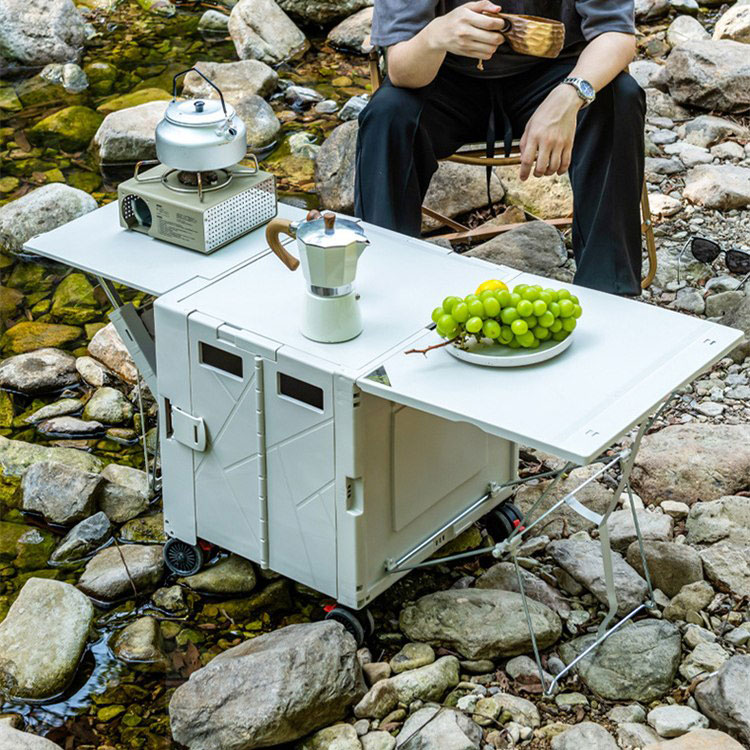
The global outdoor leisure sector has witnessed a quiet revolution in how relaxation equipment is designed, tested, and distributed. Among these staples, the category of suspension-based resting devices—often referred to as hammocks—has evolved far beyond simple backyard accessories. This shift from casual use to performance-oriented gear has prompted manufacturers to rethink every component, from spreader bars to integrated bug netting. As a result, the modern hammock serves backpackers, families, and hospitality sectors alike, merging comfort with rigorous field testing protocols. With advances in tool-free suspension kits and recycled material options, the appeal of these portable loungers continues to expand across age groups and activity levels.
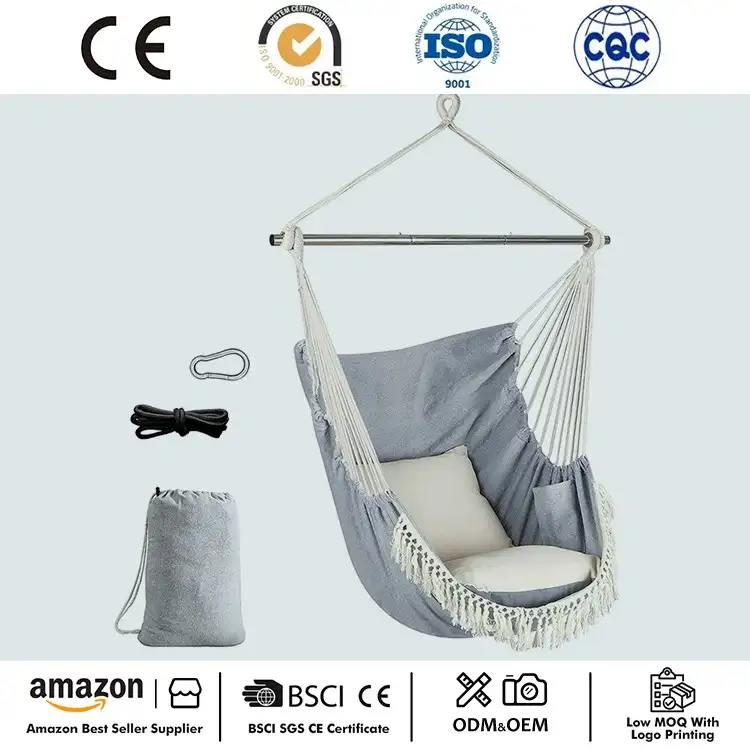
When evaluating a suspension-based relaxation device, load distribution and fabric fatigue resistance become paramount. Advanced weaving techniques now utilize high-density polyester and ripstop nylon blends, which resist tearing while maintaining breathability. Unlike traditional cotton rope designs, current iterations incorporate reinforced triple-stitched seams and rust-resistant alloy rings. Manufacturers have also introduced multi-point suspension architectures that reduce pressure points on the user’s spine, a common complaint with older designs. Lab simulations subject these hammocks to accelerated UV exposure and cyclic weight loading, simulating years of seasonal use. Core technical aspects include:
Such technical progress means that a well-engineered hammock can support a wide range of body types and sleeping positions while remaining packable for trail use. The industry now recognizes that user safety directly correlates with quality control at every production stage—from thread selection to finished product drop tests. Additionally, innovations in seam taping and bar-tacking at stress points have significantly reduced failure rates observed in earlier generations of outdoor leisure gear.
Portable relaxation systems face an inherent conflict: achieving structural stability while maintaining minimal packed volume. Engineers address this through telescopic aluminum poles and webbing straps that distribute tension without damaging tree bark. Different product segments prioritize distinct features:
Notably, the seam strength and bar-tacking at connection points often determine whether a product withstands sudden dynamic loading, such as when a user sits down quickly. For families who frequently reposition their gear, quick-fold architectures and stuff sacks with compression straps add measurable convenience.
Exposure to moisture, temperature swings, and airborne particulates challenges textile longevity. Premium outdoor gear now incorporates anti-UV additives directly into polymer fibers rather than relying solely on topical coatings. This molecular-level protection prevents degradation even after repeated laundering or rain exposure. For humid environments, quick-dry mesh panels accelerate evaporation, reducing the risk of mold colonies forming in folded storage. Adaptations for various climates include:
Such multifunctional approaches have broadened the appeal of the hammocks category beyond casual lounging into legitimate camping and tactical applications. Industry data indicates that products with modular accessories command higher repeat engagement from discerning outdoor enthusiasts who prioritize adaptability over single-purpose designs. As environmental awareness grows, manufacturers are also exploring recycled content and circular economy principles while maintaining structural integrity.
The supply chain for leisure equipment has undergone substantial realignment, driven by e-commerce specialization and regional compliance requirements. Large-scale importers now prioritize suppliers who hold verified ISO9001 and BSCI certifications, as these credentials reflect consistent process control and ethical manufacturing. Within this landscape, suspension loungers represent a high-volume, high-variation category where packaging design directly influences shelf appeal or unboxing experience. Key channel considerations:
For global brands, maintaining regional warehousing allows rapid response to seasonal demand spikes—especially before summer holidays. The competitive edge now belongs to importers who balance cost efficiency with transparent testing reports, as discerning retailers increasingly request third-party validation of load limits and abrasion cycles. Customs documentation must clearly declare fabric composition and flame-retardant treatments where applicable.
| Fabric Type | Structural Feature | Typical Application Environment | Durability Indicator |
|---|---|---|---|
| Ripstop Polyester | Reinforced grid weave | Humid, bug-prone areas | Tear propagation resistance |
| Cotton Blend | Breathable open weave | Backyard or indoor use | Comfort but lower weather resistance |
| Nylon Taffeta | Lightweight and packable | Backpacking and trekking | High tensile strength with low stretch |
| Polyester Oxford | Heavy-duty, stand-compatible | Car camping, frequent assembly | Abrasion and UV degradation resistance |
Global trade of leisure equipment necessitates compliance with various safety standards, including REACH for chemical substances and specific flame retardancy norms for camping gear. Responsible suppliers conduct routine audits covering seam slippage, hardware corrosion resistance, and labeling accuracy. The role of third-party inspection firms has expanded, with factories undergoing unannounced social compliance reviews alongside product-specific checks. Core QA requirements include:
Leading importers now require proof that samples withstand repeated dynamic loading without visible deformation. For multi-component sets (hammock plus straps plus bug net), consistency in stitching thread and zipper quality becomes a differentiating factor. Industry workshops emphasize that continuous training for sewing operators directly reduces defect rates. As supply chains lengthen, unannounced social compliance reviews have become standard practice for brands that prioritize long-term reliability over short-term cost savings.
Mass production of standardized goods no longer suffices for many retailers who seek unique prints, logo integration, or specialized dimensions. A responsive supplier maintains an in-house design team capable of translating mood boards into technical specification sheets. Customization extends to fabric color matching, strap length adjustments, and even packaging inserts that include care instructions in multiple languages. For the category of portable resting hammocks, specialized requests often include:
Prototyping cycles have shortened due to digital sampling tools, allowing iterative design changes without physical material waste. Once the prototype passes internal pull tests and washability trials, mass production follows with consistent quality benchmarks. Importantly, customized orders require dedicated project management to align material procurement, production scheduling, and final inspection. The ability to offer low minimum order quantities for personalized hammocks enables smaller outdoor brands to compete with established names. This agility has transformed original equipment manufacturing into a collaborative engineering partnership rather than a mere transactional exchange.
Efficient movement of outdoor products from factory to end user involves multiple handoffs, each presenting risk of damage or delay. For suspension loungers, the primary logistical challenge lies in balancing protective packaging against dimensional weight charges. Key logistics tactics include:
Digital inventory management systems provide real-time visibility to retail partners, enabling them to plan promotions without overstocking. The most resilient supply chains also maintain alternative routing options in case of port congestion or regulatory changes, ensuring continuous flow to end customers. Collaborative forecasting between suppliers and distributors further reduces costly emergency shipments and last-minute production rushes. Documentation must specify if the product includes treated wood parts, which might require fumigation certificates.
Market leaders recognize that a product’s reputation is built not only at the point of sale but throughout its usable life. Comprehensive after-sales support includes spare parts availability—such as replacement straps or carabiners—and clear care guidelines for washing and storage. For the hammock category, common user errors involve overloading beyond recommended capacity or failing to dry the fabric before storage, leading to mildew. Effective support measures include:
Feedback loops from customer support teams inform design improvements: for instance, recurring complaints about slippery straps lead to the adoption of grippier webbing textures. This closed-loop approach elevates the entire category, as users become more confident in purchasing higher-priced models with extended service life. Ultimately, a brand’s commitment to post-sale engagement directly correlates with repeat business and positive word-of-mouth within outdoor communities. Suppliers that actively monitor warranty claim data can identify recurring failure modes and adjust production parameters accordingly.
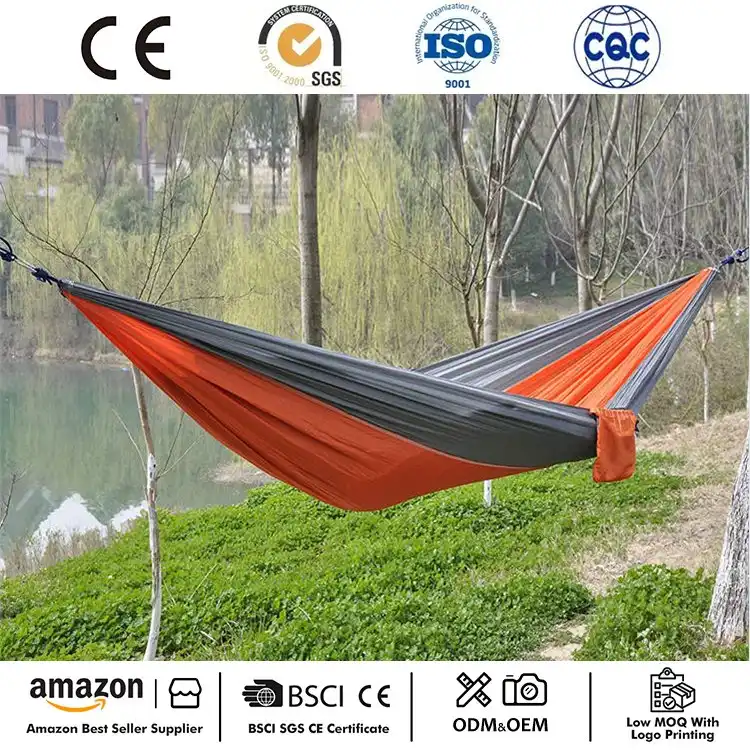
Behind many successful product lines lies a manufacturing partner that combines technical expertise with operational transparency. Since its establishment, YMOUTDOOR® has focused on developing suspension-based leisure solutions that meet rigorous international standards. The company’s engineering team regularly conducts accelerated aging tests, seam burst evaluations, and hardware corrosion assessments to ensure each item performs reliably across varied climates. Distinguishing capabilities of YMOUTDOOR® include:
For partners seeking consistent supply of technically sound outdoor equipment, YMOUTDOOR® represents a collaborative resource that prioritizes product integrity over short-term volume gains. With a dedicated quality control team and a modular production line, the company efficiently handles both standard and bespoke orders while maintaining strict compliance with international safety directives.
To summarize, the modern segment of suspension-based lounging devices—commonly known as hammocks—has transcended simple relaxation, becoming a showcase for textile engineering, load dynamics, and sustainable supply chains. Brands that thrive in this space prioritize transparent testing, modular designs, and responsive customization. As the outdoor industry grows more sophisticated, the partnership between designers and verified manufacturers like YMOUTDOOR® will determine which products achieve lasting market relevance. With a focus on traceable quality and adaptive production, the future of suspended comfort looks both comfortable and uncompromisingly durable. Through continuous material innovation and rigorous performance validation, these products will remain essential for outdoor enthusiasts worldwide.