People often switch to Camping Hammocks to avoid rocky ground, wet tents, and bulky sleep systems. Then reality hits: some hammocks squeeze your shoulders, others sag into a banana shape, straps damage trees, and a surprise breeze turns “cozy nap” into “cold regret.”
In the sections below, you’ll learn how to pick the right hammock style, dial in hang angles for flat sleeping, evaluate real-world load ratings, choose fabrics that match your climate, and assemble a weather-ready system with minimal fuss. You’ll also get a quick checklist, a comparison table, and FAQs that address the most common buyer mistakes.
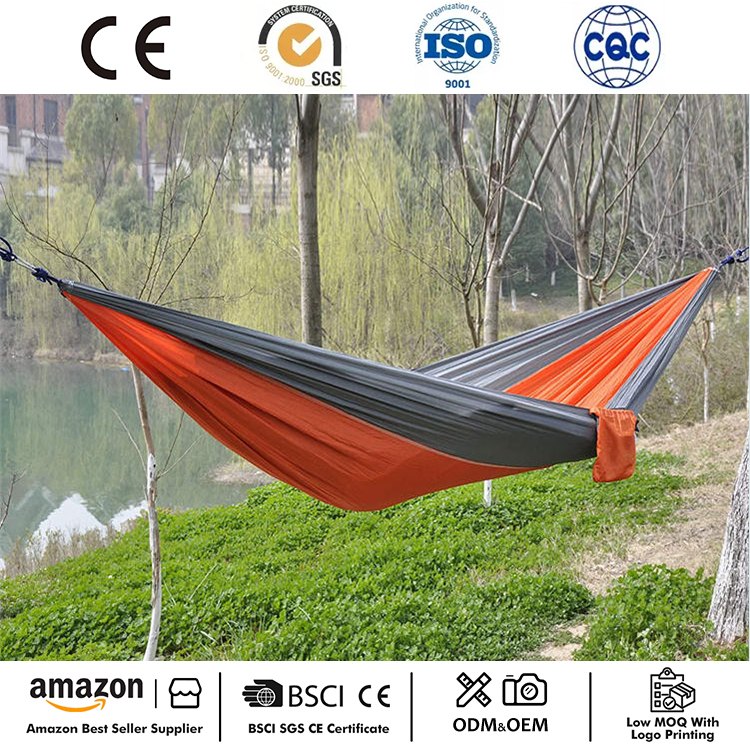
Most disappointment with Camping Hammocks comes from a mismatch between expectations and actual conditions. Here are the most common pain points, plus the fixes that matter.
The theme is simple: choose Camping Hammocks like a sleep system, not like a casual lounge chair.
Not all Camping Hammocks are built the same. Picking the right category saves you from buying a “perfect” hammock that’s perfect for someone else.
| Type | Why people like it | Tradeoffs to know | Best for |
|---|---|---|---|
| Gathered-end hammock | Lightweight, common, easy to pack, flexible comfort once you learn the diagonal lay | Can feel tight if too short; comfort depends on hang angle and body position | Back sleepers, general camping, beginners who want a classic setup |
| Bridge-style hammock | Flatter lay for some sleepers; less shoulder squeeze for certain body types | Can be heavier; spreader bars add bulk; tarp fit may differ | Side sleepers who struggle in gathered-end designs, comfort-first campers |
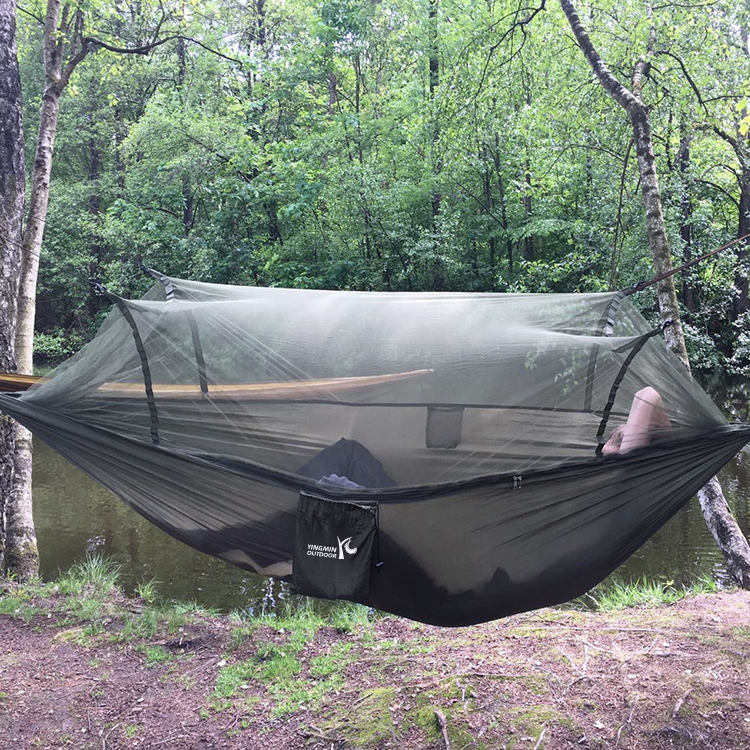
| Hammock with integrated bug net | Fast bug protection; fewer separate parts; less fuss at dusk | Less modular; may cost more; airflow and entry style vary | Humid regions, summer trips, anyone who hates getting bitten while setting up |
| Hammock tent style | More “tent-like” feel; sometimes includes pockets and structure | Heavier than minimal hammocks; comfort varies by design | Campers transitioning from tents who want familiarity |
Quick rule: if you want the simplest learning curve, start with a well-sized gathered-end option. If you’ve tried hammocks before and hated the feel, a bridge style is worth considering. If bugs are a guarantee, prioritize integrated net options early.
Comfort in Camping Hammocks isn’t magic. It’s geometry plus the right size. If you do just two things, do these.
Comfort tuning without guesswork
Side sleeping is possible in many Camping Hammocks, but it’s more sensitive to size and lay angle. If you’re a dedicated side sleeper, test for shoulder pinch and hip pressure early. If you’re mostly a back sleeper, you’ll generally have an easier time dialing things in.
“Weight capacity” can be misleading if you only look at the hammock body. Your suspension system is equally important. For Camping Hammocks, safe and repeatable setup comes down to these fundamentals.
Safety tip: if you’re unsure about your setup, hang lower than you think. A lower hang reduces the risk of a painful fall and helps you test adjustments without anxiety.
If you’re purchasing for retail, outfitting, or group use, consistency matters. That’s one reason many buyers prefer working with established outdoor suppliers like Ningbo Yingmin Imp.& Exp. Co.,Ltd. for specification clarity, stable production, and repeatable quality standards across batches.
The best Camping Hammocks are part of a system: hammock + insulation + weather layer + bug layer. You can keep it simple while still covering real conditions.
Build a modular system based on your forecast
The number-one “I didn’t expect that” moment in Camping Hammocks is cold from below. Even if the air temperature seems fine, convection under your body can chill you fast. Underquilts are popular because they insulate without compressing, but pads can work if you stabilize them.
Rain protection is mostly about coverage and angles. A properly sized tarp pitched with attention to wind direction can turn a storm from stressful to manageable. The trick is not owning the fanciest tarp, but knowing how to pitch it quickly and adjust tension when conditions change.
When you compare Camping Hammocks, look past buzzwords and focus on what affects durability and feel.
Care that extends life: dry your hammock fully after wet trips, avoid long-term UV exposure, keep it away from sharp edges, and store it loosely rather than compressed for months. Small habits reduce seam stress and keep fabrics from degrading prematurely.
Use this section as your quick filter. It’s designed to reduce “return regret” and help you choose Camping Hammocks that match the trip you’re actually taking.
| Your priority | What to choose | What to double-check |
|---|---|---|
| Fast setup | Simple strap suspension, fewer separate components | Adjustment range, strap length, ease with gloves or cold hands |
| All-night comfort | Longer hammock body, supportive lay, stable ridgeline approach | Shoulder squeeze risk, fabric stretch, your sleeping position |
| Bug protection | Integrated or high-quality add-on net | Entry method, closure security, ventilation |
| Wet weather | Compatible tarp coverage and reliable tensioning | Ridgeline management, drip lines, storm pitch practice |
| Cold conditions | Underquilt system or stabilized insulated pad plan | Draft gaps, pad slipping, wind exposure |
| Budget control | Core hammock first, add modular pieces as needed | Hidden costs: straps, bug net, tarp, stakes, insulation |
Five-question self-check before you buy
Q1 How do I sleep flat in Camping Hammocks
Aim for a gentle sag rather than pulling the hammock tight. Lie diagonally, not straight down the center, and start with a strap angle around 30 degrees. If you still feel curved, consider a longer hammock or a design that suits your sleeping style better.
Q2 Do I need a sleeping pad if I already have a sleeping bag
Often yes. A sleeping bag insulates best when lofted, but under your body the insulation compresses and loses effectiveness. In Camping Hammocks, airflow underneath can cool you quickly, so use an underquilt or a pad plan that won’t slide around.
Q3 What makes a suspension system tree-friendly
Wider straps distribute pressure and help avoid bark damage. Avoid thin cord directly on trees, and choose strap systems that are easy to adjust without over-tightening.
Q4 Are integrated bug nets worth it
If bugs are common where you camp, integrated nets reduce setup steps and protect you while you’re getting organized at dusk. If you camp in mixed seasons, modular nets can be more flexible. Either way, bug control is a key part of the system for many users.
Q5 How do I choose between gathered-end and bridge styles
Gathered-end designs are common and versatile, and many sleepers find them very comfortable once dialed in. Bridge hammocks can feel flatter for some people and reduce shoulder squeeze, but may add weight and bulk. If comfort is your top priority, testing both styles is ideal.
Q6 What should buyers ask a supplier before placing a bulk order
Request consistent specifications, material details, stitching standards, packaging options, and quality-control expectations. For B2B sourcing, working with an experienced exporter like Ningbo Yingmin Imp.& Exp. Co.,Ltd. can help streamline OEM and customization discussions while keeping specs consistent.
The best Camping Hammocks are the ones that match your real conditions: your climate, your sleeping style, and your patience for setup. Start with sizing and comfort, then build safety and weather protection as a modular system. If you do that, you’ll spend less time adjusting and more time actually enjoying camp.
Ready to spec the right hammock system for your market or your next trip?
Whether you need a lightweight weekend option, an integrated bug-net solution, or a weather-ready setup for demanding customers, our team can help you narrow down the best fit. For product details, customization, and bulk purchasing support, contact us today.